

Lumbago – Symptoms & Treatment
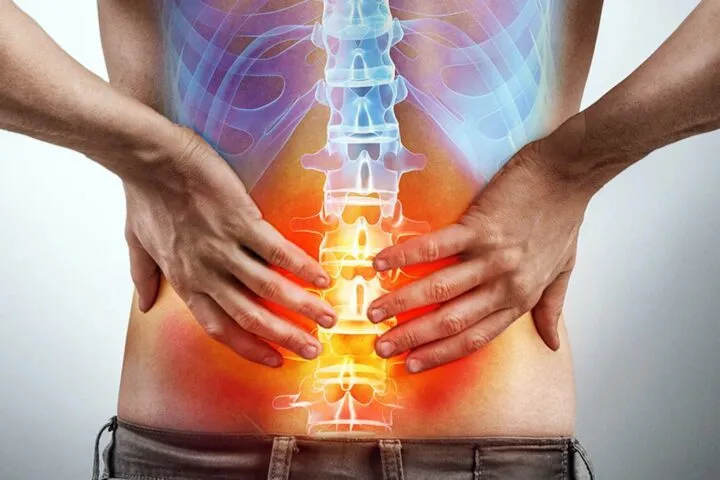
Acute lumbago is when the function of your back muscles is limited, usually in the lumbar spine region. It often happens with everyday movements like lifting, bending, or getting up from a seated position. Lumbago is the body’s way of protecting itself – it’s a reflex response where your lower back muscles tense up. This protects the spine and nerve fibers from injury. The increased tension causes the usual symptoms of restricted movement and pain, but also brings greater sensitivity to pressure in the lumbar spine region.
That’s why lumbago is often categorized as non-specific back pain. It includes about 80% of acute and chronic back pain.
Symptoms
The most obvious feature of lumbago is sudden, severe pain in the lower back. The pain is often spread out, and everyone describes it differently. In any case, you’ll barely be able to stand upright or move around normally, if at all. The reason for these symptoms? Your severely overloaded back muscles and fascia need to work even harder when you’re upright. This sends pain signals to your brain.
The back pain usually subsides within few days. Still, it’s important to make sure you don’t have any neurological damage or any indication of a herniated disc, both of which must be taken seriously.
CONTACT US at Monarch Physiotherapy Clinic right away if you have any of these lumbago symptoms:
Tingling or numbness (especially in your leg(s))
Complete loss of sensation
Loss of motor control (inability to control your physical movements)
Loss of bowel or bladder function (wetting yourself or being unable to control your bowel movements)
Severe inability to move and/or inability to walk (not to be confused with movements that are painful but still possible)
What causes lumbago?
Frequent sitting or staying bent forward:
if you often sit bent forward, you create an imbalance in the biomechanics of your pelvis and spine. That’s because sitting makes muscles and fascia on the front of the body harder and less pliable over time. In other words, it is as if they are “shortening”. The back pain is actually a good thing, it is a natural warning sign from the body to alert you of the imbalanced tension and protects you from irreparable damage to your spine.
Treatment
Rest during the acute phase
When the pain is acute, there’s not much you can do other than rest and give your body a break. With acute cases of lumbago, relieving pressure on the lower back muscles can help alleviate symptoms.
You need to get moving as soon as you’re able to!
As soon as you’re able to move again, it’s really important that you do so – even if it hurts a bit. Gentle movement helps treat lumbago by stimulating the tense area and helping it gain nourishment. This will alleviate the discomfort much faster than if you rest it completely.
Strengthening
Muscles that are too weak and inactive tend to become overly tense. By doing targeted strengthening exercises you will be able to improve you natural back support. Improving your core stabilizing muscle strength helps to reduce occurrence of lower back pain.
Your Next Steps…
Request An Appointment
Receive A Custom Treatment Plan
Work Hard and Progress In Your Recovery
Recover & Enjoy Life Pain-Free!